
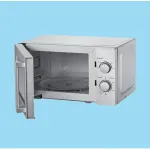
„Comfee CMSN 20 si“ mikrobangų krosnelė, 20 l, 700 W, sidabrinė (Neveikia)
Prekės kodas:
LPNHK483817983
€20.00 su PVM
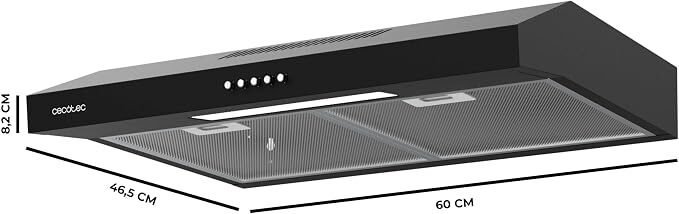
Cecotec Bolero Flux CM 602200 Black B gartraukis 60 cm, juodas [Defektas]
Prekės kodas:
LPNHK569727885
€39.00 su PVM

G3 Ferrari G10199 Pummarola picų krosnelė iki 420 °C, 1200 W [Defektas]
Prekės kodas:
LPNHK570077290
€49.00 su PVM
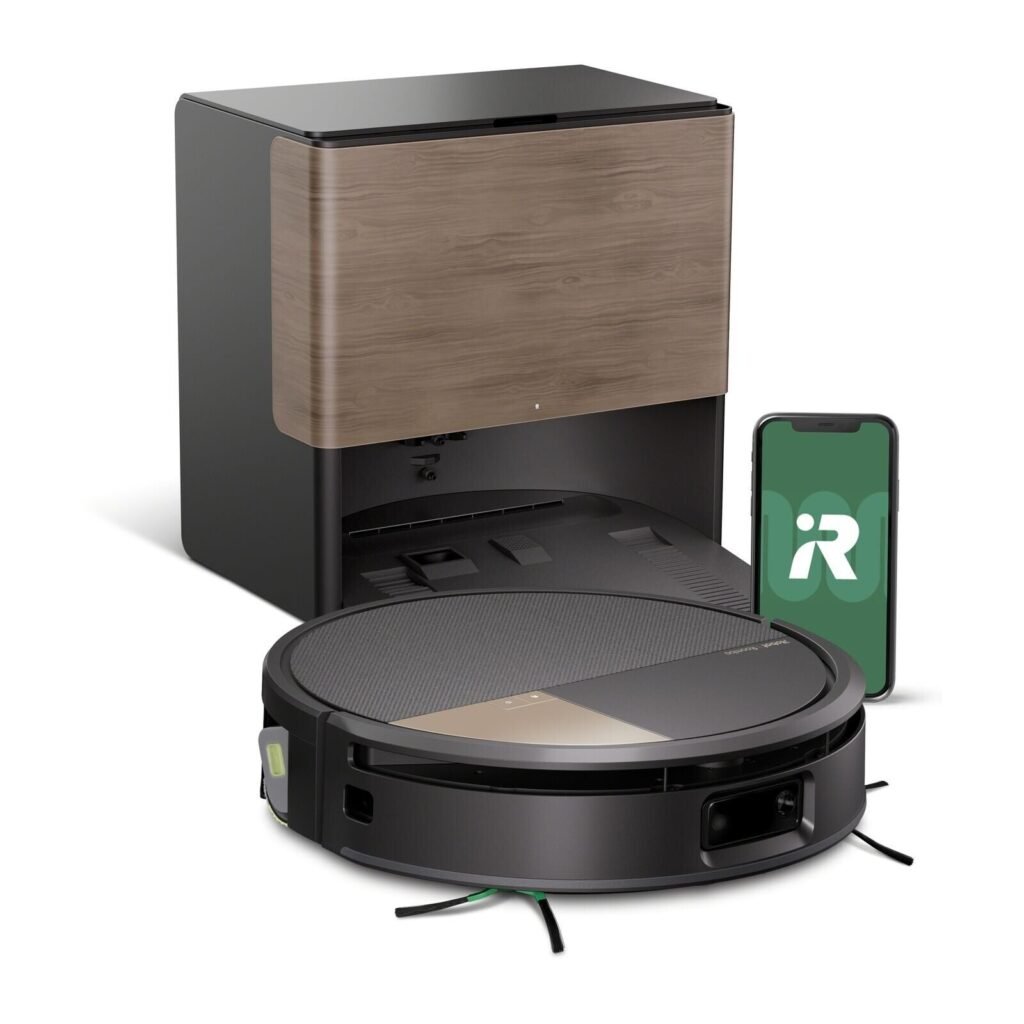
iRobot Roomba j7+ Wi-Fi robotas dulkių siurblys su ištuštinimo stotele [Defektas]
Prekės kodas:
LPNHK570505292
€150.00 su PVM
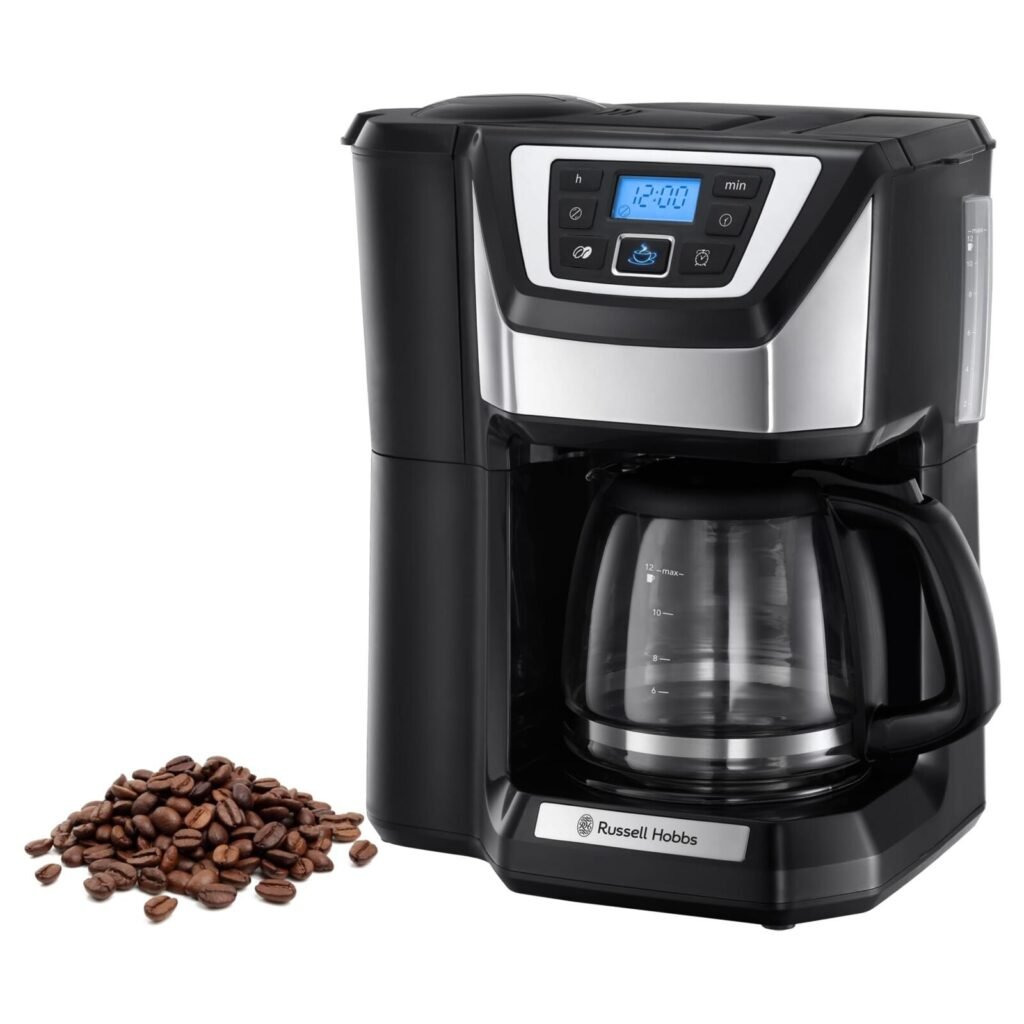
Russell Hobbs Chester kavos aparatas su malūnėliu, 12 puodelių, 1,5 l [Defektas]
Prekės kodas:
LPNHK570930963
€25.00 su PVM
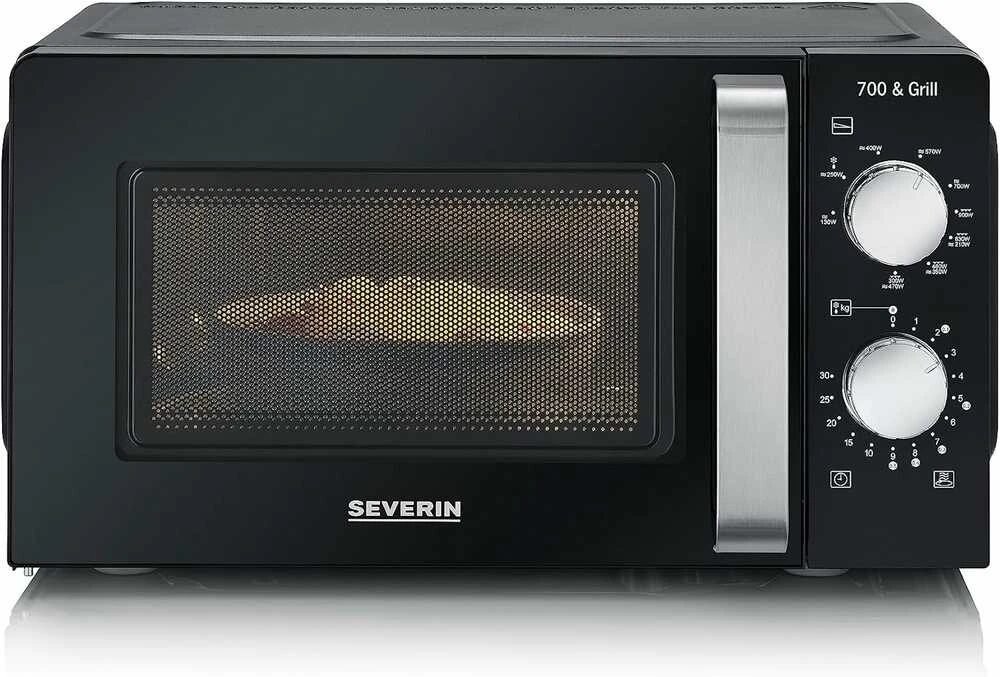
Severin MW 7781 mikrobangų krosnelė su griliu, 700 W, juoda/plienas [Defektas]
Prekės kodas:
LPNHK530641619
€49.00 su PVM
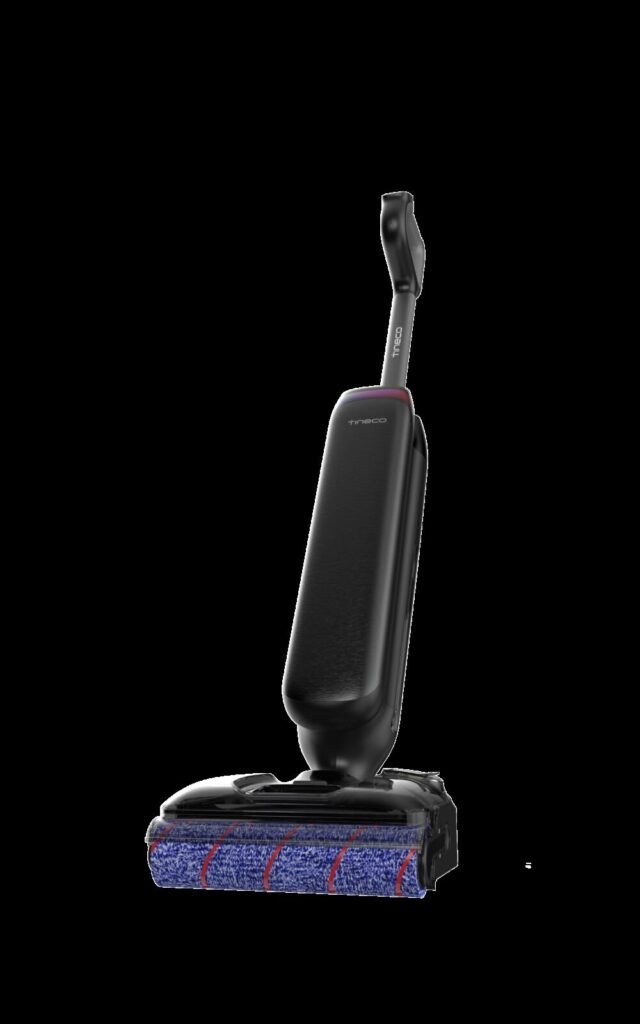
Tineco Floor One S7 Artist drėgno ir sauso valymo siurblys, 22000 Pa [Defektas]
Prekės kodas:
Drėgno ir sauso valymo siurblys su 22000 Pa siurbimu, DualBlock apsauga nuo įsivyniojimo ir 85°C Flashdry džiovinimu. Veikia 50 min, valo iš abiejų pusių, atsilenkia 180°, tinka kietoms grindims ir gyvūnų plaukams. Suskilusi vandens talpa, pats siurblys veikia.
€170.00 su PVM
